
What founders need to know
Key Takeaways
- RWA tokenisation issues on-chain tokens representing ownership or rights in real-world assets: property, funds, bonds, commodities.
- Five UAE regulators apply by asset and structure: VARA (ARVA asset-referenced tokens), the DFSA (investment tokens), ADGM (FSRA), the CMA (tokenised securities and exchange services), and the CBUAE (payment tokens and stablecoins).
- Under VARA, asset-referenced virtual assets (ARVAs) sit in the Category 1 VA Issuance regime, requiring an issuance licence and per-token approval.
- A tokenised security or fund interest is regulated as a financial instrument; the DFSA and ADGM treat investment tokens accordingly.
- The DFSA removed its recognised-token whitelist on 12 January 2026 and moved to firm-led suitability.
- A secondary-market venue for tokenised assets needs a separate exchange or trading-facility permission.
- Privacy tokens and algorithmic stablecoins remain prohibited across all UAE jurisdictions.
What It Is
What Is RWA Tokenization?
RWA tokenisation turns a real-world asset into on-chain tokens that represent ownership, a share of income, or another economic right in that asset. The asset can be physical (real estate, commodities) or financial (a fund interest, a bond, a receivable). The token is the wrapper; the legal substance is the right it carries.
That legal substance is what decides the regulation. A token representing a security or a fund interest is a financial instrument and is regulated as one. A token referencing the value of an asset is an asset-referenced virtual asset. The classification, not the technology, sets the regulator and the route.
Who Regulates RWA
Which UAE Regulator Governs RWA Tokenization?
-
VARA (Dubai)
- Asset-referenced virtual assets (ARVAs) sit in VARA’s Category 1 VA Issuance regime, needing an issuance licence and standalone per-token approval. The route for Dubai-based RWA token issuance.
-
DFSA (DIFC)
- Investment tokens that are securities or fund interests, under a firm-led suitability model since 12 January 2026. The route for tokenised securities with institutional counterparties.
-
ADGM (FSRA)
- Security and investment tokens under the FSMR, in an English common-law framework, for institutional issuers and platforms.
-
CBUAE
- Where the token is a payment token or stablecoin, the CBUAE’s Payment Token Services Regulation applies on top of the issuance route.
-
CMA (federal)
- Tokenised shares, bonds and commodity contracts are securities first, and the CMA is their primary regulator across the UAE. Its Decision No. 4/R.M/2026 also licenses the exchange services that trade tokenised securities and RWA tokens federally.









The ARVA Regime
The VARA ARVA Regime for Asset-Referenced Tokens
An asset-referenced virtual asset references the value of one or more assets. Under VARA, ARVAs sit in Category 1 of the VA Issuance framework, which requires a VA Issuance licence and a standalone approval for each token. Reserve-backed ARVAs carry a minimum capital set as the higher of AED 1,500,000 or a percentage of average reserve assets, and issuers must produce a legal opinion on the token. Where a tokenised asset is also a financial instrument, it can fall under CMA securities regulation as well, so the classification is done carefully and early.
The Marketplace
Building a Tokenization Marketplace
Issuance is one permission; trading is another. A platform that lets holders buy and sell tokenised assets on a secondary market is running a trading venue, and that needs an exchange or trading-facility permission on top of the issuance route. A full marketplace therefore stacks issuance, a trading venue, and usually custody. See the exchange licence and custody licence for those layers.
The 2026 federal framework adds the venue layer. Under the CMA’s Decision No. 4/R.M/2026, exchange and broker services for virtual assets are licensed federally: the route for an RWA exchange operating across the UAE, and for a tokenised shares exchange, where the CMA is the primary regulator because the underlying is a security.
How To
How to Tokenize a Real-World Asset in the UAE
The asset and token are classified first, because that decides the regulator and the whole route. The steps below run from classification to a live, tradeable token.
- 01
Classify the asset and token
What right the token carries (ownership, income, a security, a fund interest) and whether it is an asset-referenced or investment token.
- 02
Select the regulator and structure
VARA, the DFSA, ADGM, the CMA or the CBUAE, with the issuer entity and SPV structure to match the asset.
- 03
Structure the underlying
The legal link between the token and the asset built and documented, including SPV ownership, custody of the underlying and holder rights.
- 04
Obtain issuance approval and the legal opinion
The VA Issuance or investment-token approval secured, with the mandatory legal opinion on the token.
- 05
Build the marketplace layer
Where secondary trading is offered, the exchange or trading-facility and custody permissions added to the stack.
- 06
Launch and report
Issuance, distribution and ongoing reporting, with disclosure and investor protections in place.
Who It Is For
Who Needs RWA Tokenization Structuring?
Tokenisation suits issuers and platforms turning real assets into tradeable tokens.
Real-estate tokenisation
Fractionalised ownership or income rights in property.
Fund and equity tokenisation
Tokenised fund interests, shares or private-market positions.
Bond and sukuk tokenisation
Tokenised debt and Sharia-compliant instruments.
Commodity tokenisation
Tokens referencing gold, metals or other commodities.
Tokenisation marketplaces
Platforms issuing and trading tokenised assets as a venue.
Receivables and revenue tokens
Tokens representing income streams or receivables.
Whether your token is a security decides your entire regulatory route. A strategy call classifies the asset and the token before you build.
Regulator Comparison
RWA Tokenization Routes Compared
For which firms currently hold licences under each regulator, see the live UAE VASP Licence Tracker , updated monthly.
| Regulator | Token type | Route | Best for |
|---|---|---|---|
| VARA (Dubai) | Asset-referenced (ARVA) | Category 1 VA Issuance + per-token approval | Dubai RWA issuance |
| DFSA (DIFC) | Investment tokens | Firm-led suitability since 12 Jan 2026 | Tokenised securities |
| ADGM (FSRA) | Security and investment tokens | FSMR permissions | Institutional issuers |
| CBUAE | Payment tokens, stablecoins | Payment Token Services Regulation | Payment-linked tokens |
| CMA (federal) | Tokenised securities, RWA tokens | Decision No. 4/R.M/2026 exchange licensing | Federal RWA and tokenised shares trading venues |
Cost and Engagement
How Are Tokenization Engagements Priced?
Cost depends on the asset, the regulator and whether a secondary-market venue is built. NeosLegal works on fixed-fee, milestone-based engagements covering classification, the issuer and SPV structure, the issuance approval and legal opinion, and the marketplace layer where required. A specific written cost estimate is provided after the free assessment call.
“Tokenising an asset is easy. The hard part is what the token legally is. Call a security a utility token and you have mis-sold a financial instrument. We classify the asset and the token first, because that single answer decides whether you are at VARA, the DFSA, ADGM or the CBUAE, and whether you need a securities approval at all.”

WHY CHOOSE NEOSLEGAL
Why Founders and Institutions Choose NeosLegal
NeosLegal has worked only on crypto and Web3 since 2016, before VARA existed, before ADGM had a crypto framework, and before most UAE firms understood what Bitcoin was. That head start shows in the track record, the recognition, and the way engagements run.
Track Record
- 300+ UAE Web3 and crypto projects structured and 700+ founders advised since 2016, with zero client enforcement actions in ten years.
- USD 500 billion in transactions advised and deals closed.
- 20+ VASP licence applications advised across the UAE regulators.
- 250+ Tier-1 exchange legal opinions at a 100% acceptance rate, a commercially verifiable outcome across hundreds of submissions.
Independent Recognition
- Best UAE Crypto Law Firm 2026, UAE Business Awards Middle East.
- Middle East Technology Legal Team of the Year, The Oath Middle East, November 2025.
- Authors the UAE chapters of the Chambers Blockchain and Crypto Assets guide, 2025 and 2026.
- Irina Heaver ranked as Recommended Blockchain Lawyer in the UAE 2025 and 2026, Lexology.
Regulatory Coverage
- All five UAE regulatory pathways, VARA, ADGM (FSRA), DIFC (DFSA), the federal CMA and CBUAE, handled within a single firm, with no coordination overhead between separate advisers.
- 60+ jurisdictions covered in total for cross-border structuring since 2016.
- Federal CMA Category RWA Tokenization Exchange, broker-dealer and OTC dealing desk licences delivered end to end, including the full policy suite, AML risk and controls register, and Approved Persons submissions the regulator requires.
Every engagement is fixed-fee with defined milestones confirmed before work begins. Direct access to Irina Heaver and senior associates throughout, not associates managing the relationship.
Founder Differentiator
Founded by Irina Heaver, a former co-founder of a UAE crypto exchange (later exited), NeosLegal operates with founders’ commercial realities in mind. Irina has also drafted crypto laws and advised on virtual asset policy for multiple regulators and governments, including UAE regulators, helping shape the frameworks her clients are now licensed under, a perspective no other crypto lawyer in the UAE can offer.
Track record
Representative Tokenization Cases
-

RWA Tokenisation
Multi-Asset Tokenisation Marketplace
Advised on entity structuring, licensing and governance for a UAE-based marketplace listing tokenised commodities, establishing the framework for a compliant multi-asset secondary venue.
-
RWA Tokenisation
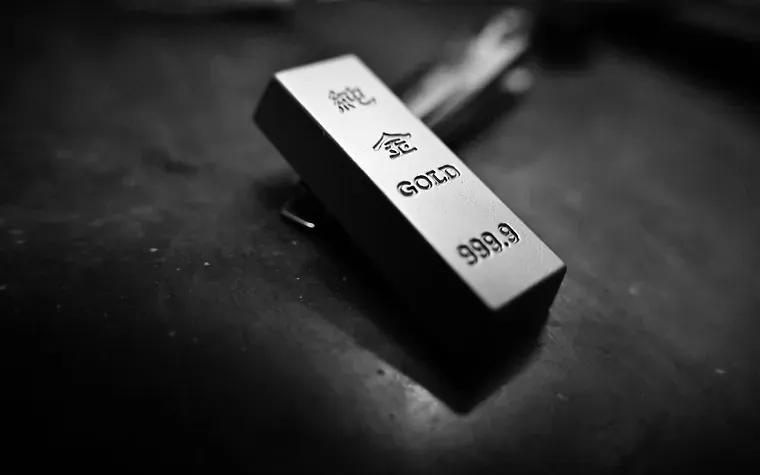
Gold-Backed Token Offering
Advised on the issuance of a gold-backed token, structuring the licensing, issuance and physical-custody arrangements so the offering met UAE regulatory requirements for asset-referenced tokens.
-

RWA Tokenisation
UAE Corporate Bond Tokenisation
Structured the legal framework for tokenizing a UAE-issued corporate bond, ensuring compliance with securities laws, investor protections and on-chain coupon/dividend distribution.
-
RWA Tokenisation
Allocated Precious Metals Tokenisation
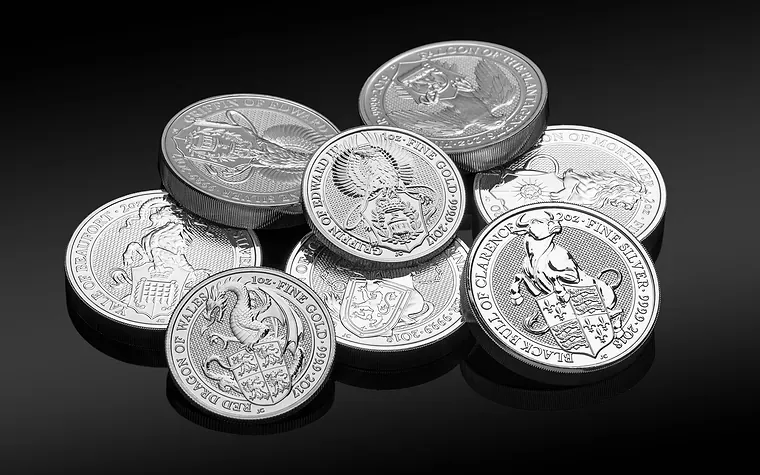
Advised on tokenizing allocated gold and silver, delivering regulator-aligned offering documents, custody/vaulting arrangements and compliant investor onboarding for global distribution.
Browse 100+ Representative Case Studies
View All Case Studies